Can AI create a restaurant menu?
AI can help draft menu structure, dish descriptions and translation suggestions, but restaurant staff must verify recipes, prices, ingredients, allergens, availability and legal wording before publishing. The directory is a starting point for checking venues, not a promise about current service. Use each business’s current profile or contact details before travelling, since opening hours, ratings, menu and access may change without this article changing at the same time.
What AI can help draft
A generative AI tool can propose section names, rewrite descriptions from supplied ingredients, suggest a consistent tone, or create a first-pass translation. It can also help format an approved list into headings or compare two versions for wording differences. These are drafting tasks: the output is generated from the prompt and available context, not from direct knowledge of the restaurant’s kitchen.
A useful prompt includes the actual dish, verified ingredients, preparation method, portion, dietary facts the restaurant has approved, and a target word limit. Ask the tool not to invent ingredients or health claims. Provide a source menu and require it to preserve prices and item names exactly. Treat the response as an editable draft.
What a human must verify
Check every ingredient, portion, price, cooking method and availability statement against the recipe and service plan. AI can invent plausible details or miss a contradiction. OpenAI’s own accuracy guidance says models can produce incorrect or misleading information and recommends verifying important details. This is especially important for allergen or dietary statements.
FSSAI’s menu-labelling guidance and applicable rules are the authority for food-related disclosures in India. Do not let a model decide whether a restaurant must show a particular declaration, whether a dish is safe for an allergy, or whether a nutrition claim is legally valid. Have the responsible food-safety person review the wording against current requirements and actual kitchen controls.
A controlled drafting workflow
Start with a locked source sheet containing item ID, approved name, recipe, price, availability and any verified customer-facing statements. Ask AI to transform only specified fields. Compare the returned output against the source; reject any new facts, qualifiers or numbers. Keep an approval column and record who verified each translation.
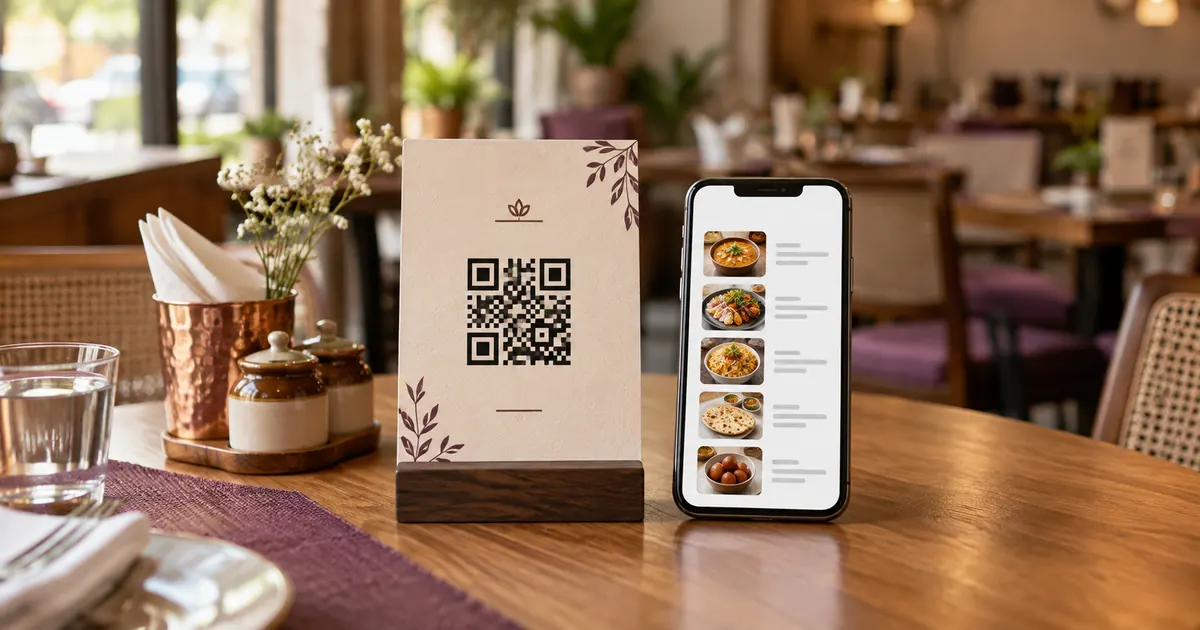
For a menu in several languages, use a fluent reviewer who understands the dish and context. Machine translation can miss regional names, cooking terms or ingredient distinctions. Test the rendered page on a phone and ensure the original source version is retained for later corrections.
Do not make unsupported promises
Avoid claims such as “healthy,” “allergen-free,” “best for weight loss,” “organic,” or “locally sourced” unless the restaurant has evidence and the statement is permitted. A polished phrase is not proof. Do not publish a generated price, serving size or nutrition figure without checking the underlying data.
The goal is useful, accurate menu copy. AI can reduce repetitive drafting but cannot replace kitchen verification, price approval, food-safety review or business judgement. State internally which steps used AI, then publish the final wording only after a named person checks it.
Related reading
Sources and further reading
- OpenAI Help: ChatGPT accuracy and limitations
- FSSAI: Menu labelling guidance
- Google Search: Helpful, reliable, people-first content
Source links support the facts above. Check dated source material for current details.
Keep reading